


The premier publication for plaintiff law
Show the jury the parts you’d rather hide
Tad Thomas on why the hard parts belong in front of the jury.

By Adam Ramirez — 5 min read
Three years after Henry Willis died, his room at his father's house still looked the way he'd left it. His tennis shoes were on the rack, and his gaming system and instruments were right where he kept them.
Tad Thomas, the Louisville trial lawyer who represented Henry's family, stood in that room long before he stood in front of a jury.
"I don't know how you go into a courtroom and tell the story unless you've gotten as close to them as you can to understand that loss," he told me.
In July, a Jefferson County jury awarded Henry's family $104.2 million against Husky Armory, the online seller that shipped him a ghost gun kit when he was 18. I covered the verdict when it landed.
Every wrongful death case asks a jury to know someone who will never walk into the courtroom. When that person is somebody's son, the lawyer also has to ask twelve strangers to put a number on what his parents lost. Nobody who has done it will tell you there's a right way. Tad has found a few things that help.
Show the jury the whole client, shadows included.
I asked Tad how he and Henry's mom, Laura Herp, decided how much of Henry to share. He didn't hesitate.
"You have to share all of Henry," he said. "The good parts of Henry are what defines the loss."
Henry was a strong student and a singer, and he was learning to play the guitar. He played sports, had a ton of friends, and belonged to his high school’s club for future lawyers.
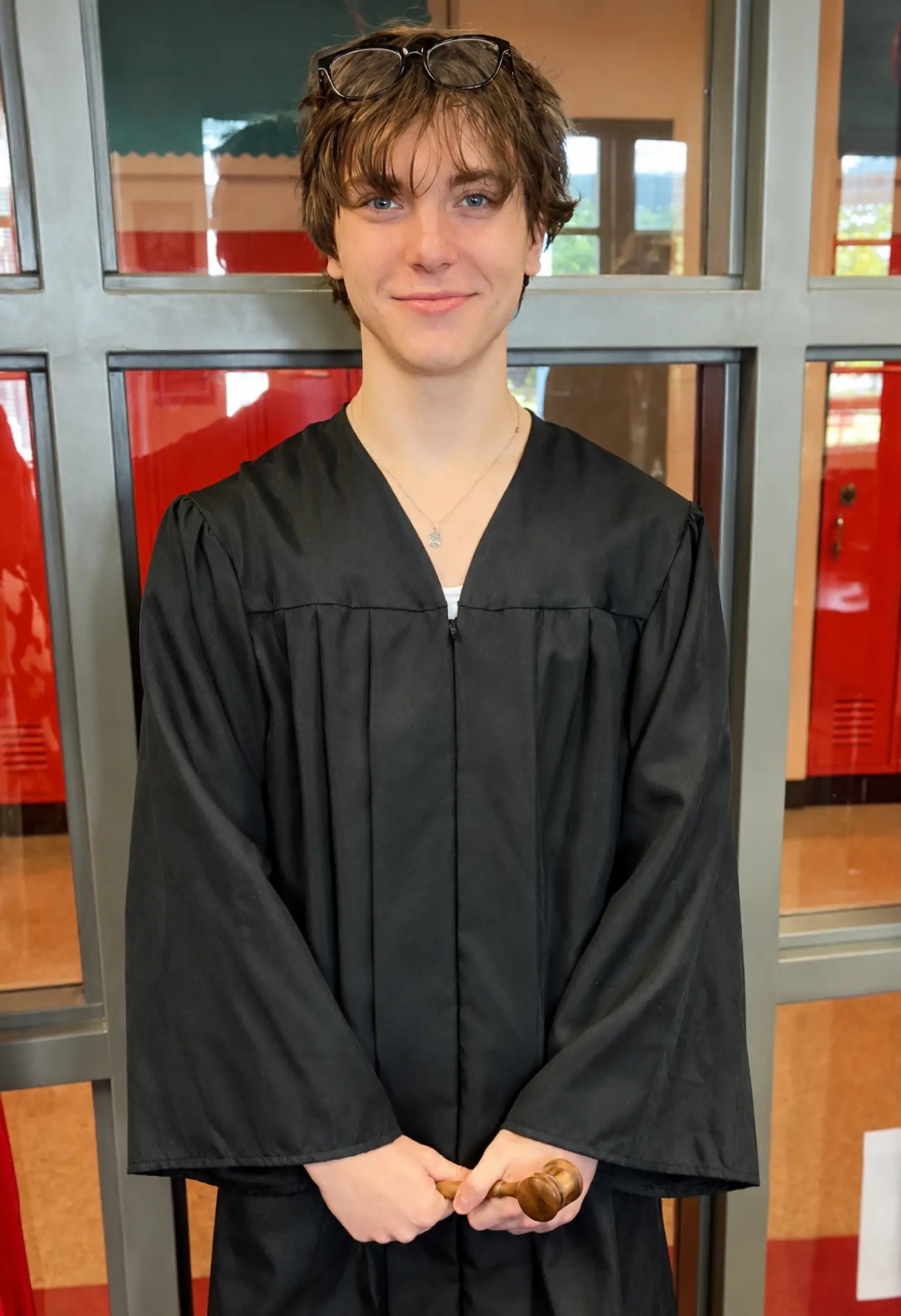
Henry Willis. Photo courtesy of Laura Herp.
The jury needed all of that to understand what the family lost. They also needed the hard parts. Henry had been struggling with his mental health for about nine months. Laura is a licensed clinical social worker, and she saw the signs early. She got him a counselor and a psychiatrist.
Tad told the jury the truth about that, because it explained how Henry got there. What Henry had was treatable. People recover from it every day, but they need time to get well. In closing, Tad argued that Husky Armory sold Henry the one thing that took that time away.
Most of us are tempted to sand down the parts of a client's life that make us nervous. In Tad's view, the shadows are how the jury understands the story.
Juries can tell when you’ve sat with the family.
Tad visits the family in every wrongful death case he takes. He's tried cases where parents lost children, children lost parents, and people lost spouses. Sitting with them is part of the preparation.
Laura had started building this case before any lawyer was involved. After Henry died, she found the receipt in his email and figured out what Husky Armory was. When she testified, Tad got teary-eyed.
"You just feel for this mom," he said. "You know how much she loved her son and how hard this loss has been on her."
That closeness feeds his first rule of trial. "You have to believe in what you do and you have to believe in why you're in that courtroom," he said. "The jury picks up on it."
Tad asked for $75 million in punitive damages and told the jury they could give more. They came back at $100 million.
One more thing
Día de los Muertos, or Day of the Dead, is one of my favorite parts of fall. It’s the one holiday where the dead are the guests of honor.
The holiday goes back to the Aztecs, who held a monthlong festival at harvest time for the Lady of the Dead. When the Spanish arrived, Catholic priests folded it into All Saints’ Day and All Souls’ Day. Underneath it all is an idea that never went away: death is part of life, and the people we lose are still ours to celebrate.
Families build ofrendas, from ofrecer, to offer, and fill them with photos, candles, pan de muerto, and their loved ones’ favorite foods. The tradition says the marigolds guide the dead home for the night.
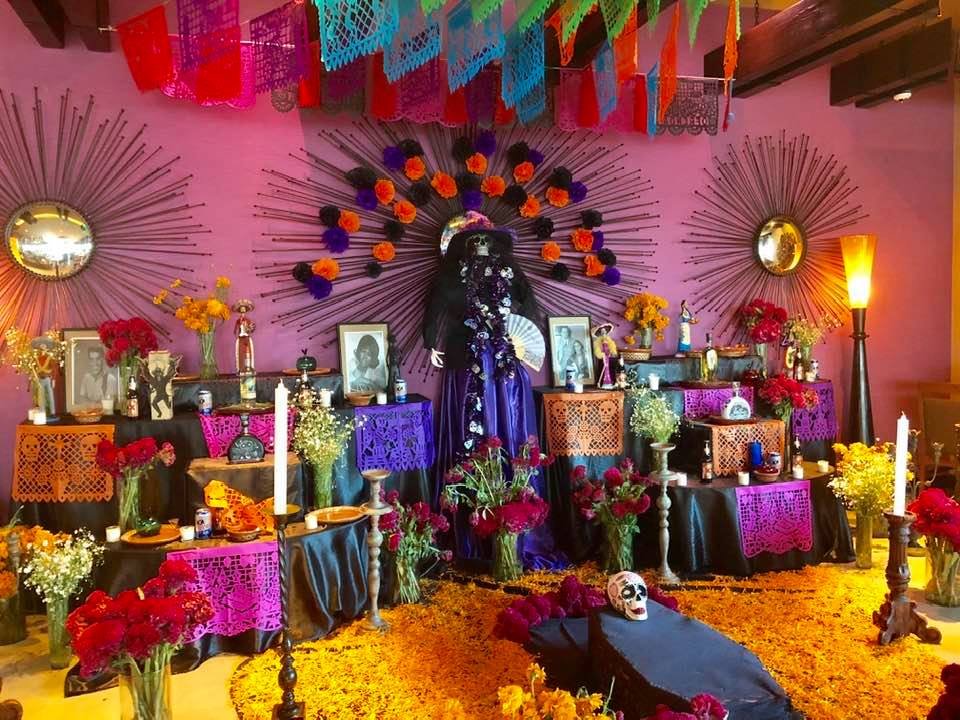
Nobody cries for long. You eat the food and tell the stories until the person feels like they’re back in the room.
Every year we go to Old Town San Diego for the dancing Catrina skeletons, the altars, and the candlelight procession at sundown. The skulls are everywhere for a reason. Nobody is hiding from death.

For years I wanted to dress up and never pulled it off. Then my wife, a magician with makeup, painted us both in black and white skeleton faces:
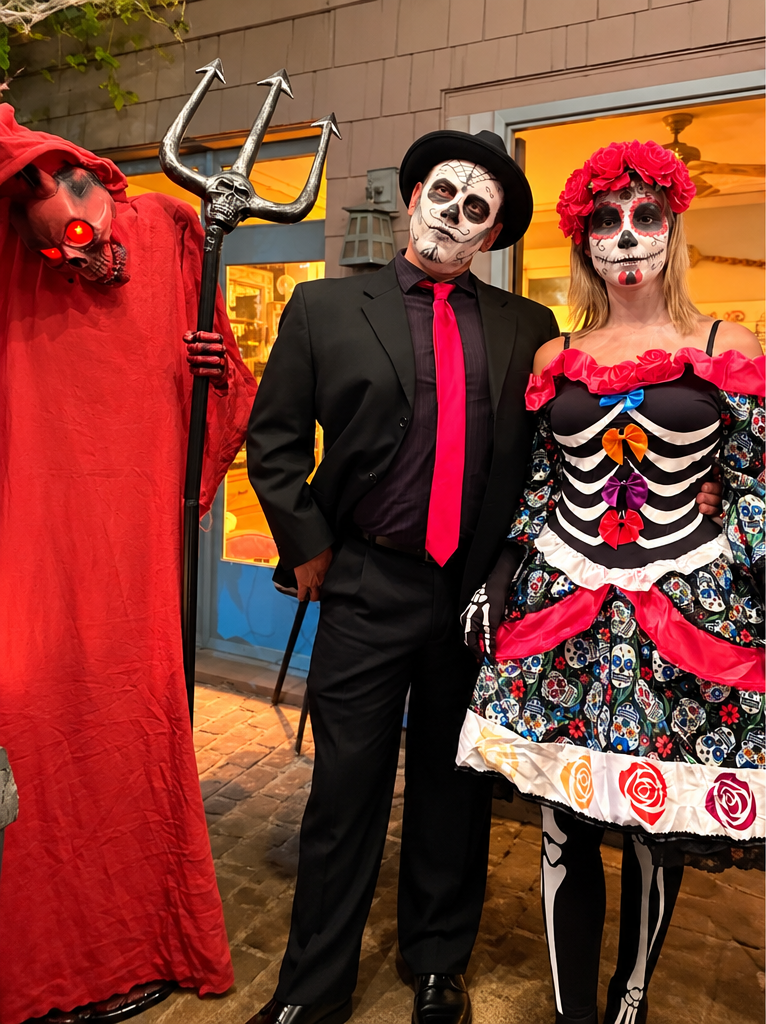
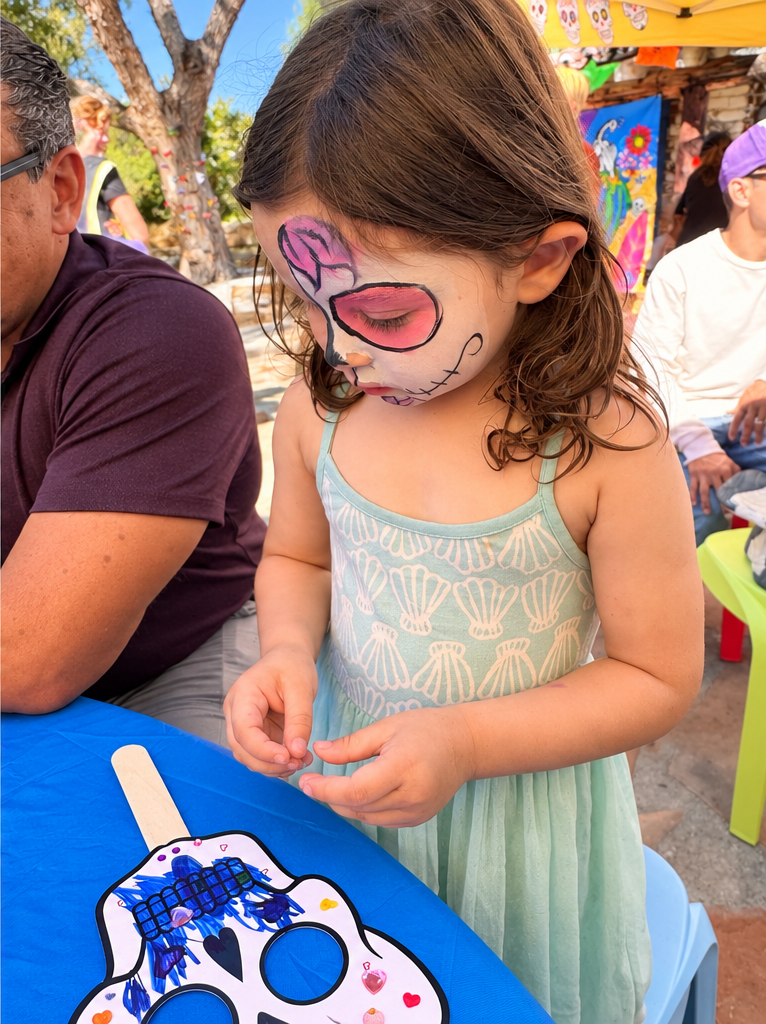
Now our daughter gets her face painted every year.
She sits perfectly still while a little skull appears, which is more than I can say for her at dinner.
She used to watch Coco on a loop. She loved the story of Miguel, the boy who crosses into the Land of the Dead to find his family. She’d sing every song with me in Spanish while clutching her stuffed Dante, Miguel’s scruffy spirit guide dog. Coco is also how she learned about Frida Kahlo, which is more than I knew at three.
The movie’s big idea comes straight from the holiday: you only truly die when the last person who remembers you forgets.
Tad would get it. He stood in Henry’s room so a jury in Louisville would remember a kid they never met.
Which client do you still think about? Hit reply and tell me about them. I read every one.
~ Adam
Quote of the week
"I've never lost a case where I was like, the jury just got that wrong."
— Tad Thomas, founding partner, Thomas Law Offices
Past Issues
- Issue 020
You paid to be scared, not hurt
- Issue 019
What John Morgan's $1B can't buy
- Issue 018
State Farm filed seven fake cases
The Tort Report
One email a week on the verdicts, the AI, and the money reshaping plaintiff law. Read by 500 leading plaintiff firms.
We could not load the signup form. Email us and we will add you to The Tort Report.
Email us