


The premier publication for plaintiff law
A Trial Lawyer on What AI Actually Changed: It Was Never About Speed.
Now nothing gets past me. Not the line buried on page 900, not the email that sinks their witness.

By Tad Thomas — 5 min read
The Tort Report
One email a week on the verdicts, the AI, and the money reshaping plaintiff law. Read by 500 leading plaintiff firms.
We could not load the signup form. Email us and we will add you to The Tort Report.
Email usOpposing counsel was halfway through his opening statement when he said something about the record that stopped me cold. A confident, specific claim. For half a second I felt the thing every trial lawyer dreads. Did I miss that?
I didn't wait to find out. I typed his claim into Eve, which was loaded with the entire case file, and asked where in the record it came from. Nowhere. He was wrong. I had the documents in my hand within the minute, put it to his own witness the next morning, and worked that fact against them the rest of the week.
Twenty years ago, that same moment would have cost me a day. A note to myself, an associate sent digging overnight, a jury spending the next session believing the other side while I caught up. The blind spot was just part of the job. You missed things, you found them too late, and you lived with it.
Not anymore. That's the cleanest example I can give of what AI changed about my work, and it has nothing to do with what everyone's selling.
Speed is the wrong metric
When lawyers talk about AI, they talk about time. Draft the demand faster. Summarize the deposition faster. Turn four hours of brief-writing into fifteen minutes. I use AI for all of it, and the hours it saves are real when you run a firm.
But speed is the least interesting thing it does. It doesn't make my work faster so much as ten times better, and those aren't the same thing. If all you take from AI is faster documents, you bought an expensive typewriter.
What wins trials isn't speed. It's whether you walked into the courtroom having missed nothing. The buried line on page 1,900 of a deposition. The internal email that contradicts the corporate rep. The gap between what they pleaded and what their witness swears to on the stand. The limit on catching those things was always human memory, and no one holds ten thousand pages in their head.
Now I don't have to remember it all. The whole record sits in one place, and I can check a claim against it in the time it takes to ask. That's the shift. AI didn't make me faster. It made it hard for anyone to slip something past me, and it let me prove it on my feet, while it still mattered.
You still have to do the work
There's a wrong way to take this, and you've seen it in the headlines. Lawyers who let the machine write the brief, never read it, and filed cases that didn't exist. That's not an AI problem. It's the oldest one there is. They put their name on something they never read.
The tool hands you something wrong with the same confidence it hands you something right. It doesn't hedge. It doesn't flag its own mistakes. So the rule is simple, and it isn't optional: you check everything against something real before it carries your name.
When I write a direct examination out of my own head, the way I always have, I hit maybe 60 or 70 percent of the points. Then I work the depositions and the reports and fill in the rest. With AI and the case file, I'm at 90 percent before I've broken a sweat. The last 10 percent is me and my expert, and that 10 percent is where the case is won. Then I run it past an AI focus group, a simulated jury panel that tells me how the argument lands in the county where I'm trying it.
I'm not asking the machine to be the lawyer. I'm asking it to clear the runway so I can be. The theory of the case, the read on the room, the answer only an expert can give, the judgment about what matters, that's all mine. AI doesn't do the part of this job that takes a career to learn. It clears away the part that used to eat the time I needed for the part that does. I don't even let it have the last word on legal research. My team runs that and tells me whether it holds up.
The rule didn't change. The excuse did.
When I started, "I didn't find it in time" was a real excuse. There were only so many hours in the night, so many associates, so many boxes you could carry into a courtroom. The other side knew it. Trial strategy, on both sides, quietly ran on the other lawyer never reaching the one document that mattered in time.
That excuse is gone. If I miss something now, it's because I didn't prepare, not because I couldn't. That raises the floor for everyone. The defense bar has these tools too, and the good ones are running the same play, aimed the other way. The question isn't whether you can hold the whole record anymore. It's whether you bothered to.
I came up on paper, then the first case-management software, then the cloud. Every time, someone warned me the new tool would ruin the craft. It never did. It moved the work higher and asked more of the lawyer, not less.
This is the same. The machine can't try your case. It can't pick your jury, cross examine your witness, or feel what the twelve people in the box are feeling. But it can make sure that when you stand up, you stand on the whole record, not just the part you happened to remember. The only time I'm not confident walking into a courtroom is when I'm not sure I prepared enough. After twenty-six years, I don't get that feeling much anymore, and I wouldn't walk in any other way.
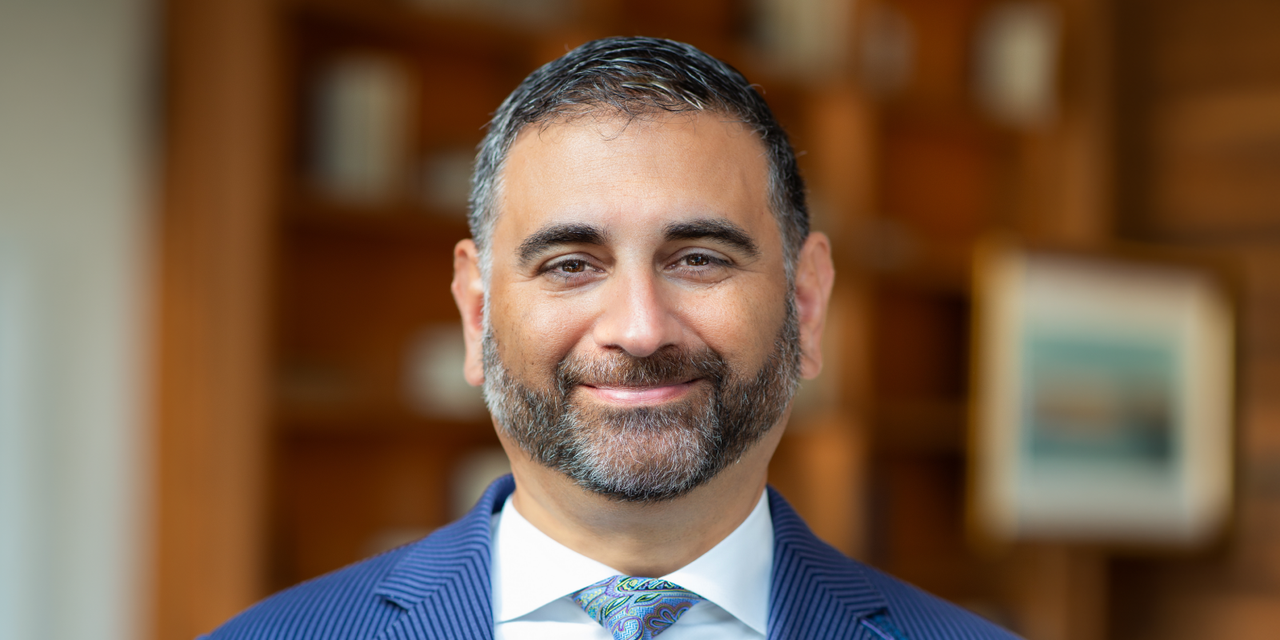
Tad Thomas is a Past President of the American Association for Justice and the founder of Thomas Law Offices, which represents plaintiffs across five states.
Related Stories




The Tort Report
One email a week on the verdicts, the AI, and the money reshaping plaintiff law. Read by 500 leading plaintiff firms.
We could not load the signup form. Email us and we will add you to The Tort Report.
Email us