


The premiere publication for plaintiff law
I Knew the Verdict Before I Picked the Jury
Anchoring is a myth. The number that wins is knowable, and guessing it loses cases.

By Sean Claggett — 5 min read
The Tort Report
One email a week on the verdicts, the Al, and the money reshaping plaintiff law. Read by 500 leading plaintiff firms.
We could not load the signup form. Email us and we will add you to The Tort Report.
Email usA few months before trial, I sat down with a mediator in Salt Lake City and told him my best day in court. $78 million.
He wanted to know where it came from. So I walked him through the data. That number wasn't a wish. It was what the evidence added up to if the jury saw every piece of it the way I did.
Everyone who had an opinion, in Utah and outside it, told me the same thing. You can't get a big verdict in Provo. It doesn't happen there. And this case had already been tried once and lost. The first jury blamed an eleven-year-old boy for his own death in a crosswalk and sent his family home with nothing.
When the defense offered $1 million, I thanked them for their time and we left.
The jury came back at $81 million.
I wasn't surprised. I had the number before I ever picked the jury. That's not a story about being fearless. It's a story about not guessing. The single most important thing I've learned in twenty-three years of trying cases is that the value of a case is knowable, and almost nobody bothers to find out.
Big numbers don't move juries
There's a belief in this profession, held by a lot of defense lawyers and more than a few plaintiff lawyers, that the number you say out loud is a lever. Say a big one and the jury floats toward it. Say $100 million and maybe you land at $75 million.
People point to the psychology, to Thinking, Fast and Slow and the studies on anchoring, and they treat it as settled science. It isn't settled in a courtroom. My partners and I have spent years and more than a thousand cases proving it doesn't work that way.
Anchoring works in a vacuum. Ask a stranger for a number with no context and yes, you can nudge them. A jury trial is the opposite of a vacuum. Twelve people sit for days and listen to evidence. Tell them a broken leg is worth $100 million and they don't split the difference. They decide you can't be trusted.
The number has to match the harm. If the leg is broken, you get a broken-leg verdict no matter what you shout. If the person is paralyzed, the big number and the injury line up, and the jury can see it. They decide on the evidence in front of them, not on the anchor you tried to drop.
Guess the number and you lose
Here's the part that should scare you. The number isn't a tactic you save for closing. It's evidence, weighed like everything else. And you can get it wrong in both directions.
Ask for too much and the jury punishes you. They feel the overreach, it boomerangs, and a case you should have won comes back at zero.
Ask for too little and you do something quieter and worse. You can lose a winnable case by signaling that even you don't believe it's worth much. And when you do win, you've left your client short. I've watched lawyers settle a $20 million case for $4 million, take the fee, and feel like heroes. The client is thrilled with $2.8 million, right up until you remember that an ordinary house costs $1 million now. That money doesn't last. The case was worth $20 million. The client lost most of it to a guess.
We don't guess the number. We measure it.
The alternative to guessing isn't a better hunch. It's data.
Picture an alien who lands on Earth, flips a coin ten times, gets eight heads, and flies home to report that coins land heads 80 percent of the time. We'd laugh. Flip that coin 350 times and you land near 50 percent, which is where the truth was the whole time.
Your gut is the alien. It has tried a handful of cases and it's certain it knows the number. That's all big data is: running the case enough times that the flukes cancel out and the real number shows up. It's what John and Alicia Campbell and I built our practice around, and what we teach every year at JuryBall Vegas.
We take a case and write the strongest possible version of both sides, the plaintiff's and the defendant's, because a weak defense statement gives you a fantasy, not a forecast. Then we put it in front of 300 to 700 people and ask them to decide it.
We throw out the noise, the juror who would award a billion and the one who would never give a dime, because those people won't sit on your jury. What's left is a tight range, from the cautious juror at the 25th percentile to the generous one at the 75th. That range is the forecast.
In every trial I've ever tried, the verdict has landed inside that range. I've come in a little above the top. I've never once come in below the floor. In Provo, the data said my best day was $78 million. The jury said $81 million.
You owe your client the real number
Here's what it costs to guess the number instead of measuring it. Lawyers who don't know what their cases are worth settle the ones they should try, and try the ones they should settle. They let go of the $20 million case for a fast fee, then take a hopeless one to verdict because the insurer offered nothing, lose it, and decide they're bad trial lawyers. They aren't bad trial lawyers. They never found out what they were holding.
You don't need a full study on every file. You can put ten people in a room for a couple thousand dollars and learn whether your liability problem is fatal before you ever invest a year in the case. The point is to find out, instead of walking a family down a road that only ends in heartbreak.
Because in a case like Michael Madsen's, the number was never a trophy. Money doesn't bring a child back to anyone. English doesn't even have a word for a parent who has lost a child. We named the widow and the orphan and left that one blank, because it's unspeakable.
The verdict is the only justice the system knows how to give. Asking for too little is its own kind of harm. So don't guess what your case is worth. Do the work and find out. You owe yourself the discipline to know the number before you ever stand up.
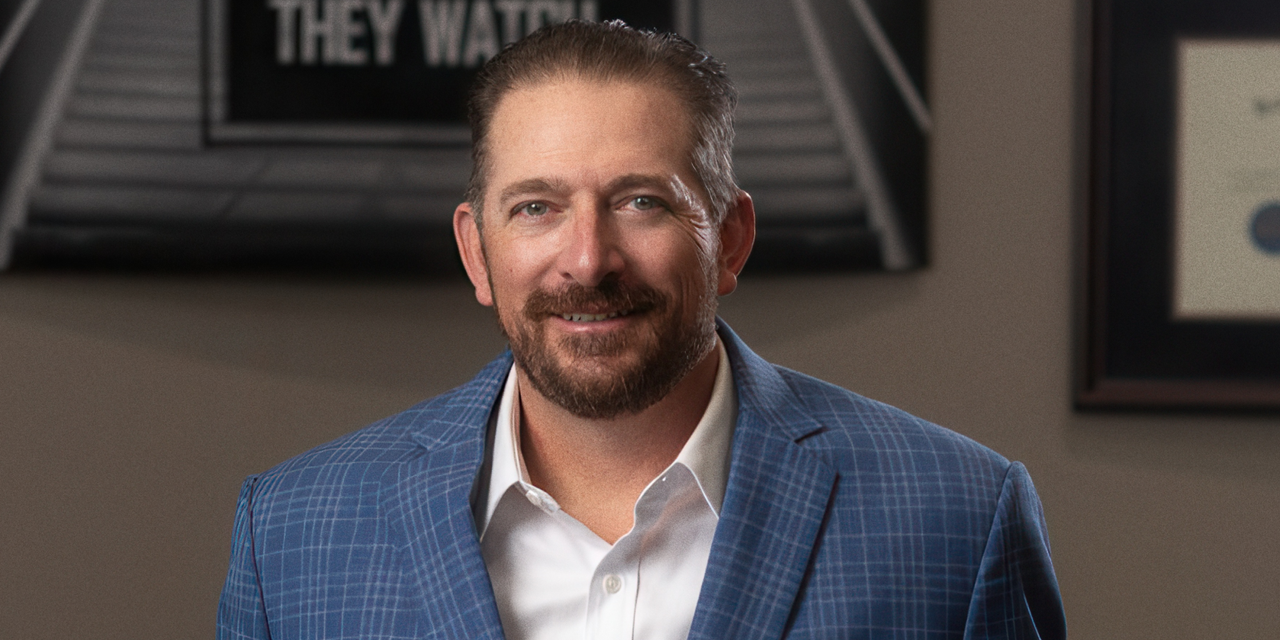
Sean Claggett is the founder of Claggett & Sykes Trial Lawyers and co-author of JuryBall: The Big Data Revolution Is Here.
Related Stories



The Tort Report
One email a week on the verdicts, the Al, and the money reshaping plaintiff law. Read by 500 leading plaintiff firms.
We could not load the signup form. Email us and we will add you to The Tort Report.
Email us