


The premier publication for plaintiff law
They Have the Money. You Have the Clock.
Your opponent may have more money and more lawyers. Disciplined speed is the advantage they cannot buy.

By Brian Morgan-Heit — 4 min read
The Tort Report
One email a week on the verdicts, the AI, and the money reshaping plaintiff law. Read by 500 leading plaintiff firms.
We could not load the signup form. Email us and we will add you to The Tort Report.
Email usA defense lawyer that has not created a trusted relationship calls asking for two more weeks. An offer is coming, they say. This case is going to settle, so why press the deadline?
My answer is usually no. An offer that has not arrived is not an offer, and I am not trading two weeks of my client's life for a maybe.
It's remarkable how often a real offer appears once the other side understands the calendar is not theirs to control. A genuine emergency or a legitimate scheduling conflict is different; I honor those. But "an offer is coming" is not, by itself, a reason to stop moving.
That exchange captures the strategy. When I opened an employee-side firm in California, I did the math every plaintiff lawyer confronts: nearly 20 million people in the state's labor force, nowhere near enough employee-side lawyers to pursue every meritorious claim, and employers on the other side backed by deeper reserves, EPLI insurance, and defense firms built to staff cases at scale.
So I stopped trying to win the fight about resources and started pressing the edge I could control: speed. You have heard one version of this already. Marketing people call it "speed to lead," and they are right. If a worker decides today that they may have an employment claim, they want to talk to a lawyer today, not next week.
But speed to lead is only the first mile. The advantage compounds when you carry that same tempo through the case: speed to investigation, speed to filing, speed to discovery, and speed to the first deposition.
Their system creates your opening
Defense firms are built to manage volume. Their lawyers work within carrier reporting cycles, corporate approval chains, crowded calendars, and layers of decision-makers — even excellent defense counsel can struggle to match a focused plaintiff firm's pace. That is the opening: disciplined speed and consistent follow-through create the pressure that follows from it.
This is not an argument for incivility. Professional courtesy matters, and legitimate scheduling conflicts deserve professional responses. But courtesy is not passivity. It does not require surrendering momentum when delay harms the client or serves no purpose beyond postponement.
Drift is a negotiating signal
Watch a firm let a case drift: months of back-and-forth, a lowball offer, then a second offer, then more waiting. Every quiet week sends a message. It tells the defense that delay is working and that the plaintiff may accept less to end it. The firm begins negotiating against itself.
Move instead. Serve discovery as soon as the rules permit. Notice the key depositions. Build the evidence that changes the defense's risk analysis. Push the case toward its real value on the merits and on a calendar you are prepared to keep.
The offers change, not because you were louder, but because the other side can see that you are prepared, funded, and unlikely to tire first.
Speed works only when every case is built for trial
Speed is not recklessness. It works only when the cases underneath it are genuinely ready to be tried. That comes from a discipline I learned early from a mentor:
"Until the settlement is signed, the case is going to trial."
Do not assume the case will settle. Prepare it all the way. The paradox is that a case prepared that way is more likely to settle because the defense can see what will happen if it does not.
That is how we built Cedar. My partner, Brady, runs the prefiling side and is exceptionally good at early resolution. I am the backstop. When a case is strong and the money on the table is not close to its value, our model is built to try it. Our goal is ten to fifteen trials a year, and I want to be in trial every month for the next decade.
The early resolutions fund the trials. The trials build our reputation. The reputation raises the value of future resolutions. The entire model depends on a willingness to go the distance.
AI makes the pace sustainable
For about ten years, I practiced the old way. I was my own paralegal, associate, and partner, digging through documents and drafting every motion from a blank page. I could see a strong motion in my head and still spend four hours getting the first draft onto the screen.
That is what changed. Now I give Eve the case record and a precise assignment, and it gives me a strong first pass in about fifteen minutes. I still make the legal judgments, test the argument, and rewrite the work in my voice. The difference is that I begin with structure instead of a blank page.
By our internal estimate, our attorneys and paralegals are 30 to 40 percent more productive on drafting and analysis. Clients see the difference. A demand goes out. A complaint gets drafted. A status update arrives. They know their case is moving with urgency.
The rule I will not bend is verification. Hallucinated authorities are real. Every citation is checked against the source, every PDF is pulled, and every quotation is confirmed in context. The tool buys speed. It does not buy the right to stop reading.
Here is the honest version: I can push every case this hard because the technology makes the pace sustainable. The other side may still have more of almost everything. But it does not own the calendar. Build a firm that can move deliberately, verify every work product, and try the cases that do not settle. Speed then becomes more than an operational metric. It becomes leverage.
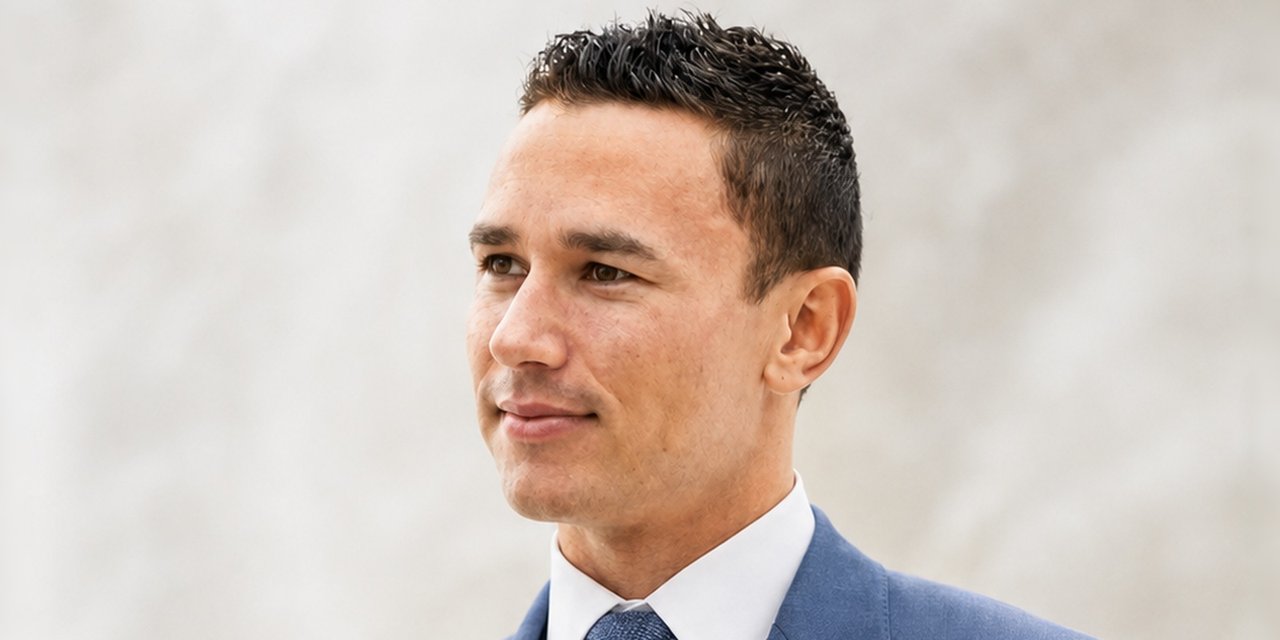
Brian Morgan-Heit is co-founder of Cedar Employment Law, an employee-side law firm in Southern California.
Related Stories





The Tort Report
One email a week on the verdicts, the AI, and the money reshaping plaintiff law. Read by 500 leading plaintiff firms.
We could not load the signup form. Email us and we will add you to The Tort Report.
Email us