


The premier publication for plaintiff law
Nobody in Cook County Has Tried More Jury Cases Than Me. Here’s What That Teaches You.
Thirty-four years in trial work — and the lessons most plaintiff attorneys never share.

By Tony Elman — 3 min read

The Tort Report
One email a week on the verdicts, the AI, and the money reshaping plaintiff law. Read by 500 leading plaintiff firms.
We could not load the signup form. Email us and we will add you to The Tort Report.
Email usMost plaintiff attorneys are trying to settle cases.
I’ve spent thirty-four years doing the opposite.
That doesn’t mean I don’t settle — I do, often. But every case that comes through our door is built for trial from day one. Not “we’ll see how it develops.” Not “let’s wait for the demand.” Trial-ready. Always.
That single decision changes everything. It changes how the defense evaluates you. It changes what they’re willing to risk. And most importantly, it changes what they’re willing to pay.
Cook County once recognized me for having the most reported jury trials of any plaintiff’s attorney in its thirty-year history. That wasn’t the goal. It was the byproduct of a mindset: prepare every case like twelve strangers are going to decide it.
Ironically, one of the best investments I ever made in that process cost $300 — a two-month comedy class.
What Trial Lawyers Can Learn from Stand-Up
When I tell trial lawyers to study comedians, I usually get a look that says I’ve lost credibility.
Then I ask a simple question: When was the last time you practiced how you speak — not just what you say?
That’s where the room goes quiet.
Trial work and stand-up have the same core challenge: one person, standing alone, trying to earn trust from a room full of strangers — fast. The difference is, a comedy audience chose to be there. A jury didn’t.
When a comedian bombs, it’s rarely the joke. It’s the delivery. Timing. Tone. Presence. The same is true in a courtroom.
Watch great performers — not for their material, but for control. How they pause. Where they emphasize. How they make the room lean in without forcing it.
My own style is understated — deliberate, precise, nothing wasted. Jurors don’t reward performance. They reward credibility.
If you drone, you lose them. If you grandstand, they distrust you. If you connect, they follow you. And connection is a skill — one most lawyers never train.
Attack Your Weaknesses First
Most lawyers try to hide their problems. That’s a mistake.
If there’s a gap in the records — bring it up. If the bills are light — own it. If your client has a prior injury — say it first.
Because the defense will find it. And when they do, it won’t just hurt your case — it will destroy your credibility.
In a courtroom, credibility is everything.
Preparation Is What Eliminates Fear
Young lawyers always ask the same question: How do you not get nervous? You do get nervous.
The difference is preparation.
When you know the facts and have practiced your delivery, nerves become energy instead of hesitation.
Take an acting class. Put yourself in front of people. Learn how to make them feel something. Because that’s what trial work is.
Make sure they know your name.
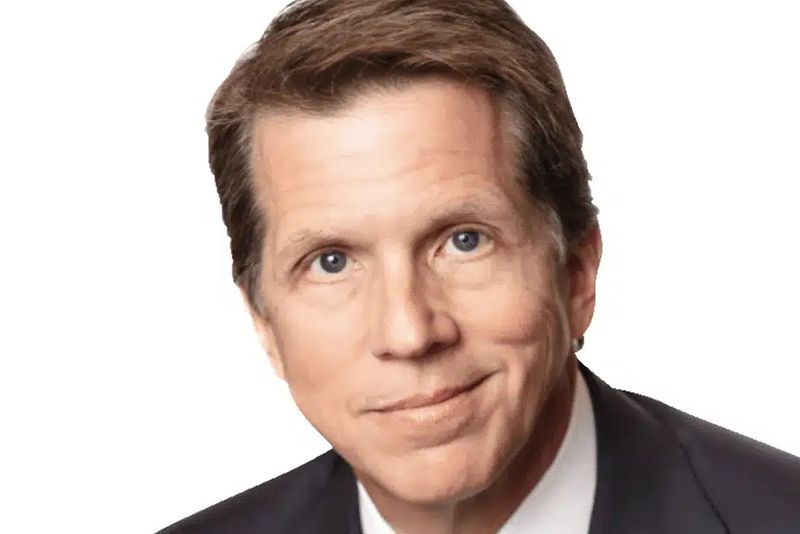
Tony Elman is the lead trial attorney at Elman Joseph Samples Law Group in Chicago. He received the Cook County Jury Verdict Reporter's Trial Lawyer Excellence Award in 2019 for the most reported jury trials as a plaintiff's attorney in the publication's 30-year history.
Related Stories


The Tort Report
One email a week on the verdicts, the AI, and the money reshaping plaintiff law. Read by 500 leading plaintiff firms.
We could not load the signup form. Email us and we will add you to The Tort Report.
Email us