


The premier publication for plaintiff law
I tried 50 cases before I filed my first PI complaint. Last year I had two top-50 verdicts in California.
A former San Francisco public defender on the reps gap in the civil bar and what it costs.

By Megan T. Burns — 5 min read
The Tort Report
One email a week on the verdicts, the AI, and the money reshaping plaintiff law. Read by 500 leading plaintiff firms.
We could not load the signup form. Email us and we will add you to The Tort Report.
Email usThe night before a trial, I put Coltrane on and lay the evidence out on the floor of my office.
The actual evidence. The photos, the records, the blown-up exhibits, the deposition binders. Every piece I think is going to matter, spread out where I can walk around it, pick it up, hold it, put it back down in a slightly different order. By the time I step into the courtroom the next morning, I know that case better than anyone in the room, and the trial is already 90 percent done.
I learned that discipline in a place most civil lawyers never set foot. That kind of preparation is not natural talent. It is a habit I built over 50 trials where no one was going to bail me out.
I spent close to a decade as a public defender in San Francisco before I ever filed a personal injury complaint. By the time I did, I had tried nearly 50 cases to verdict. The cases moved fast. The stakes were real every time. Nobody was going to carry me.
Last year, my law partner Emily Dahm and I had two of the top 50 plaintiff personal injury verdicts in California. The first was $9.57 million. The second was $8.16 million. Everything I know about how juries work, I learned standing up in courtrooms where nobody was watching and the client had nothing except me.
The credibility contest is won before the other side knows it started
The first of those two verdicts was a school bullying case in Alameda County. Our clients were a mother and her fifteen-year-old daughter. The daughter had been bullied and threatened for months by another student at her East Bay high school. One morning in January, the mother drove her to campus to meet with school officials about it. They got out of the car in the parking lot and were immediately attacked by two teenagers, accompanied by a school security guard who stood there and did nothing. Numerous school employees had known about the bullying for nearly a year. The school district was our defendant.
After the jury came back at $9.57 million, one of the jurors stopped to tell me what they had been waiting for. The whole trial, he said, they had been waiting for the district to give them something. Anything. A reason. A defense theory they could rest a not-liable feeling on. It never came.
That did not happen by accident. We won the credibility contest, one inch at a time, from voir dire forward. The way you win that contest is counterintuitive. You go at your own bad facts before the other side does. You do not hide them. You do not spin them. You do not try to teach a juror that what they are seeing with their own eyes is not what they are seeing. The moment you bend a fact, you have told the jury you are willing to bend, and they are finished with you.
That instinct did not come from a CLE. It came from standing up hundreds of times in front of twelve people who had no reason to trust me and earning it anyway.
The best voir dire question is the one you never ask
The second top-50 verdict came a few months later against the City of Martinez. Our clients had been standing at a downtown farmers market when a large tree the city had improperly planted and ignored for nineteen years fell on them. Bone fractures. Spinal injuries. A mother who watched her infant son's stroller get crushed and later developed chronic PTSD.
One of my clients was in a same-sex marriage, and a meaningful piece of her non-economic damages involved her relationship with her wife. Contra Costa is a more conservative county than Alameda. I did not know how that was going to land. Intuition is not a good way to find out.
We used a big-data jury model, the kind that samples jurors in similar jurisdictions and builds real attitude profiles across a large enough sample to mean something. The data told me cleanly that my client's marriage was a non-issue for the jury pool we were heading into. I dropped the whole line of voir dire I had drafted. Not a softer version. Not a more careful version. I did not raise it at all.
Every voir dire question costs you something. You are signaling to the jury what you think might matter, and sometimes raising the subject is the thing that activates the bias that was not there before. The best tool I had that week was the one that told me what I could safely not ask.
If the Jimenez case was about earning trust through offense, this one was about having the judgment to know when to leave something alone. That is a different muscle. You only build it with reps.
The jury came back at $8.16 million.
Same job, different institution
When I left the public defender's office and started trying plaintiff cases, I did not feel like I was changing jobs. I felt like I was changing which institution I was standing against. As a public defender, I was between an indigent client and the weight of the government. Now I am between an injured family and an insurance company that has decided their pain has a spreadsheet value. The adversary changed. The job did not.
The plaintiff's bar is going to split over the next decade into firms that can try cases and firms that cannot. The ones that cannot will settle for less than their cases are worth, on behalf of clients whose pain deserved a better fight.
I know what side of that line I am on. I picked it the first time I stood up in a courtroom with nothing but preparation and a client who needed me to be ready. I have been picking it ever since.
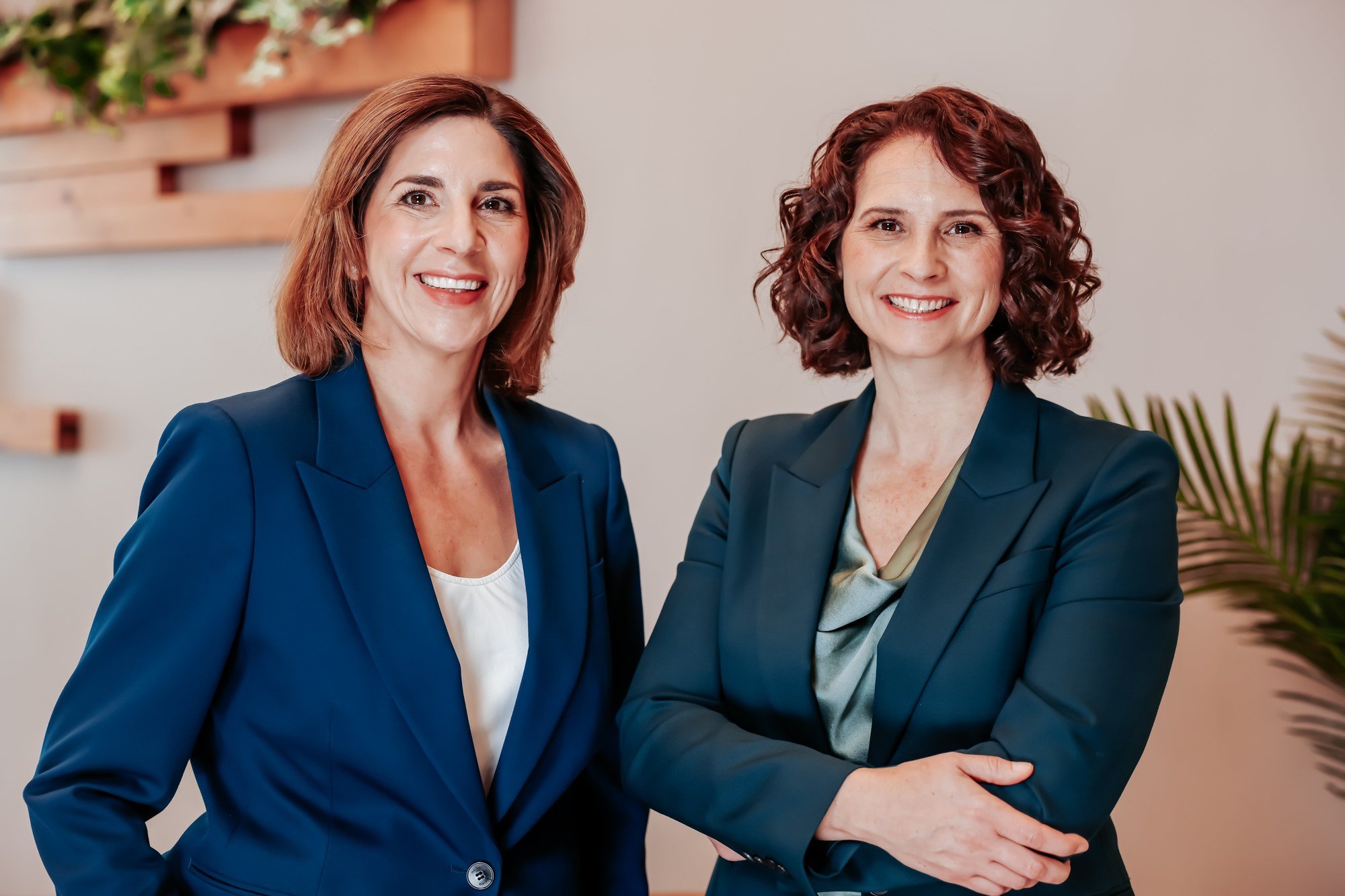
Megan T. Burns is the managing partner at Mirador Law in the San Francisco Bay Area. She spent nearly a decade as a public defender in San Francisco before moving into plaintiff personal injury work.
Related Stories



The Tort Report
One email a week on the verdicts, the AI, and the money reshaping plaintiff law. Read by 500 leading plaintiff firms.
We could not load the signup form. Email us and we will add you to The Tort Report.
Email us