


The premier publication for plaintiff law
The Defense Called It a Rash. The Jury Called It $15.2 Million.
The difference between telling a jury what happened and making them feel it.


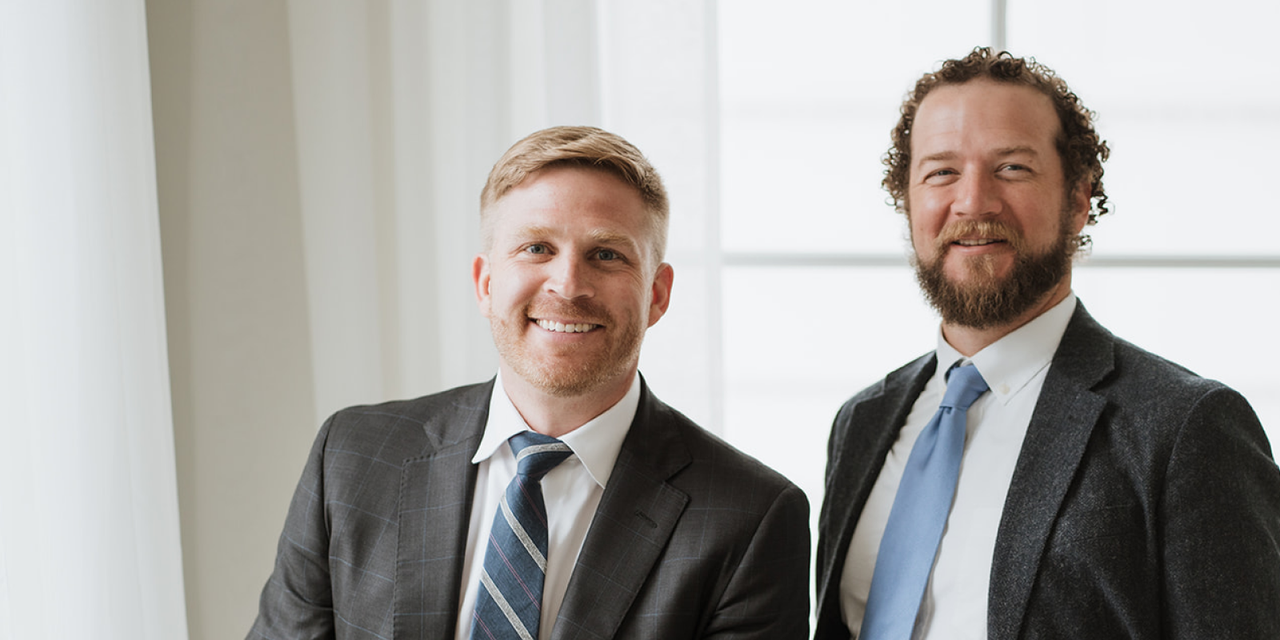
By Casey Geiger and Chris Brown — 6 min read
The Tort Report
One email a week on the verdicts, the AI, and the money reshaping plaintiff law. Read by 500 leading plaintiff firms.
We could not load the signup form. Email us and we will add you to The Tort Report.
Email usJulia Reidy had $161,000 in medical bills. No surgery. The defense doubted her brain injury and generated a host of excuses why it wasn’t related to the crash; at one point they even argued the real culprit was a rash on her leg.
Their last offer before trial was $350,000. We turned it down. We asked the jury for $15 million, and they gave us $15.2 million, one of the largest personal injury verdicts in Georgia history for a case that didn't involve death or surgery.
What won this case wasn't the medicine. It was the decision, made long before trial, to stop thinking like lawyers and start thinking like storytellers.
The Woman She Used to Be
On November 6, 2021, Julia was just 22 years old and had recently graduated from Villanova. She was biding her time at home before leaving for a new job in Ohio. Her whole life was in front of her, and her future was bright.
Around 10 p.m., she went to run an errand at the grocery store five minutes from her house. On the way home, a drunk driver - driving on the wrong side of the road - hit her head-on. She suffered a concussion, which evolved into postconcussive syndrome, and ultimately permanent brain damage.
Julia’s previous counsel had given them an opportunity to settle within the $250,000 policy limits. They passed. By the time the case got to trial, we gave them an opportunity to resolve for $1,000,000. They passed again. So we tried it.
What made this case work wasn't the medical bills. What made it work was the story. My partner, Chris Brown, handled Julia's direct examination, and there wasn't a dry eye in the courtroom.
She was shy, timid, someone who didn't want to be in the spotlight. We worked with her for weeks getting her comfortable with sharing her story in front of a courtroom of strangers. Eve was incredibly helpful in the preparation of not just Julia’s testimony, but all of our witnesses. For Julia specifically, we began preparing her by informal, interview-style conversations. The notes from those conversations were then plugged into Eve to assist with structure, wording, and relevant exhibits. Eve was even able to suggest demonstratives that would assist the jury in fully understanding Julia’s testimony.
On the day she testified, everything came out. She described who she had been before, a top student, a writer, a prolific reader, and how that compared to who she was now. She ended her testimony with words that would stay with the jury: "The things that made me, me, cause me pain or I can't do them."
Tell a Story, Not a Damages Argument
Our theme was simple: “Julia was doing the time for Vincent Cellini’s crime”.
Cellini had been drinking at a friend's basement bar before getting behind the wheel. We wanted the jury thinking about his choices the entire trial.
We built the damages presentation around Julia's life, not her bills. We barely touched the $161,000 in medical expenses. We used a “pain wage” to explain her true damages to the jury. We started small: what would julia pay for an hour without the brain injury symptoms and the back pain from 13 herniated and bulging discs. Then we took that hourly pain wage and turned i into a daily wage, then a week, and eventually built it out across her 58.2 remaining years.
The defense made a mistake in closing. They challenged the bills line by line and asked the jury to award $88,000. The jury got so irritated they took the defense's own number and added it to our full $161,000 instead. You can't script that.
The theme came out of collaboration before trial, our whole team pushing ideas through Eve. Chris landed on the literacy angle: Julia had been passionate about reading and language before the crash. We kept refining until it sharpened. Once it clicked, everything organized around it.
We used AI-generated images as B-roll throughout our opening and closing powerpoints - every slide had a visual. A young woman in a dark setting, head down, somber. A basement bar scene with pool, darts, and drinks, putting the jury inside Cellini’s night. The actual wreck. I wasn't at a podium with a notepad. I had a confidence monitor on the floor showing me the next slide, moving, talking directly to the jury. The defense lawyer was talented but he read from notes. We got the B-roll idea from Mark Lanier and will use it in every trial going forward.
What Happens When the Defense Throws a Curveball
We had prepared extensively on their defense theory, which centered on Graves disease. Then their lawyer stood up in the opening and announced they weren't going to argue Graves disease anymore - they were pivoting to “vasculitis”.
Vasculitis was in the records, but it had never come up in any of the preservation depositions. Because they had not flagged it earlier, it was not something we had expected to address in depth.
As soon as they raised it, I pulled up Eve and ran the vasculitis references in the records. What came back was exactly what I needed: she didn't have general vasculitis — she had leukocytoclastic vasculitis, inflammation in small blood vessels that presents as a rash on the leg with no bearing on brain function. The defense was arguing her brain injury came from a rash on her leg.
I had my counterpoints within minutes. When I got to cross-examine their expert, I was ready. If you don't have a tool that can do that, you're either scrambling or hoping you remembered something from three months ago in the records. Neither is good enough.
The best way I can describe Eve at trial is this: it's like having four associates at the table whose only job is to find what you need, right now. You type a question, you get an answer with citations. That's it.
The Jury Never Knew We'd Been Blindsided
If the vasculitis curveball had landed and I hadn't had a way to respond quickly, I would have had to absorb it and hope. Instead, within minutes I had everything organized, I knew exactly what I was going to do on cross, and I could stand there looking unfazed because I actually was. The jury never knew something unexpected had happened.
This what AI at trial actually looks like. Not a demand letter writer. Not a gimmick. A tool that closes the gap between what you're facing and what you're ready for. A lawyer who doesn't know how to use AI in ten years is like a lawyer today who doesn't know how to use Microsoft Word. The attorneys who get there first will be better prepared, better organized, and harder to rattle in the moments that decide cases.
They Went Straight to Julia
Nine of the twelve jurors came up to Julia after the verdict. They didn't want to debrief the attorneys. One juror sat with her for ten minutes, held her hands, and told her that her life was going to be fine.
Julia was crying. The juror was crying.
We had spent months building a story that was true, that treated Julia as a full human being rather than a collection of medical records. By the end of it twelve strangers felt personally responsible for her future.
That's not a legal outcome. That's what happens when a jury has been told the right story, in the right way, about someone who deserved to have it told.
Casey Geiger is the managing attorney at Geiger Legal Group in Canton, Georgia, where he focuses on catastrophic personal injury and trial litigation. Christopher Brown is a partner and focuses on medical malpractice and catastrophic personal injury cases.
Related Stories



The Tort Report
One email a week on the verdicts, the AI, and the money reshaping plaintiff law. Read by 500 leading plaintiff firms.
We could not load the signup form. Email us and we will add you to The Tort Report.
Email us