


The premier publication for plaintiff law
How I Won a $105M Verdict With Social Anxiety
Adrenaline addiction and overpreparation behind the largest intentional tort verdict in California that year.

By Bibi Fell — 4 min read
The Tort Report
One email a week on the verdicts, the AI, and the money reshaping plaintiff law. Read by 500 leading plaintiff firms.
We could not load the signup form. Email us and we will add you to The Tort Report.
Email usThe verdict came back at $105 million, including $15 million in punitive damages. The largest intentional tort verdict in California that year. The second-largest overall plaintiff verdict in the state. A top ten verdict nationally.
I drove to court that morning wondering what I signed up for. I have social anxiety. At a cocktail hour, my first instinct is to turn around and leave.
In 2018, I tried Kali v. Young in San Diego. Robert Young called himself a doctor. He was not. He was the self-proclaimed father of the Alkaline Diet. He promised cancer patients he could cure them with an alkaline lifestyle and IV treatments that were little more than baking soda.
My client, Dawn Kali, had been diagnosed with treatable Stage 1 breast cancer. She had everything she needed at her fingertips. A real doctor. The right medical advice.
She chose not to follow it. She went to Young's ranch instead. And when she could not afford his treatments, she agreed to work for him. She became part of the machine that was bringing other desperate patients through the door.
The hardest question at trial was not what Robert Young did. It was why a jury should care about someone who made that choice.
Our strategy was radical honesty. We laid Dawn bare on the stand. She did not minimize what she had done. She carried the full weight of the decision that was going to cost her children their mother. We had her journal entries from years earlier, written in real time as she was making these choices.
In one entry, she blamed herself for her cancer growing because she had eaten two bites of a hot dog. That is how deep this man's manipulation ran.
I did not ask the jury for anywhere near what they gave us.
I had prepared for that trial the way I prepare for everything. I read every document. I knew every argument forward and backward. I probably used half of what I had ready. That is what anxiety-driven preparation looks like. You walk in with twice what you need so that what comes out feels effortless.
What Most People Get Wrong
Here is the part that surprises people. I would rather have one real conversation than work a room. If I could not be a lawyer, I would be a therapist.
None of that sounds like someone who just told you about a nine-figure verdict. I know.
But here is what most people get wrong about trial work. They think it self-selects for the loudest person in the room. The table-pounder. The showboat. I am none of those things. What trial work actually selects for is the willingness to be uncomfortable and the discipline to show up anyway.
I get nervous before every single court appearance. Every deposition. Every oral argument. I will be driving to the courthouse with my heart pounding, wondering what I signed up for. That feeling has not gone away in over twenty years of practice.
But I have learned my pattern. I know that when it is my time to speak, about two or three sentences in, the nerves disappear. Because at that point I stop thinking about myself and start thinking about the job I am there to do. You can only think about one thing at a time.
That anxiety is the reason I overprepare for everything. It is not a weakness. It is the engine behind my results.
The Nerves Never Go Away
When a law student tells me they could never be a trial lawyer because they hate public speaking, I tell them that is not disqualifying. I have social anxiety. I competed as a professional salsa dancer in San Diego. I grew up surfing in Honolulu. Every one of those things terrified me and every one of them taught me the same lesson. The nerves do not go away. You just learn your pattern and you show up.
I teach Advanced Trial Advocacy at the University of San Diego School of Law. I have been teaching for almost twenty years. The thing I try hardest to instill is pattern recognition under pressure. My students get trial skills training in other classes, but it is all sanitized. Clean fact patterns, plenty of time to prepare. In my class, I put them in positions where they do not feel ready and they have to perform anyway. Because that is what real trial work is.
The first five years of your career, you have to outwork everybody. There is no substitute for time spent getting better at your craft. AI will not replace it. A better work-life balance will not replace it. I have a lot of freedom in my practice now. I choose my cases. I control my calendar. I earned every bit of that by putting in twenty-plus years of relentless work first.
I still get nervous. I still overprepare. I still feel that adrenaline hit when it is time to stand up and speak.
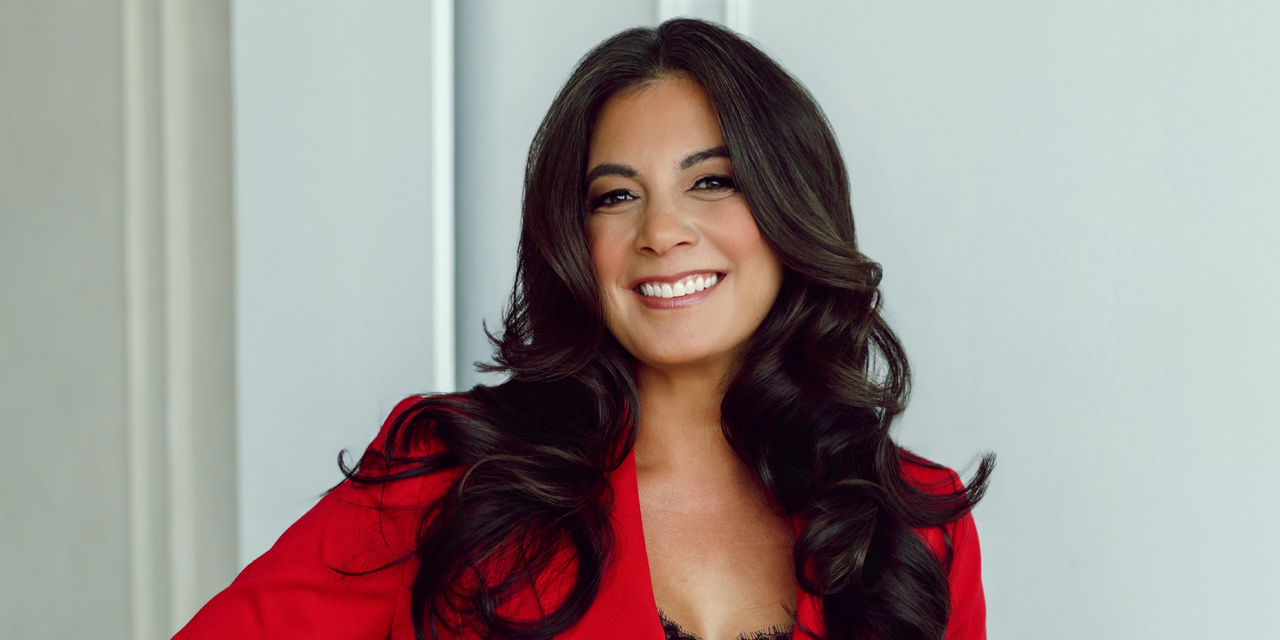
Bibi Fell is the founder of Fell Law in San Diego and a founding partner of Athea Trial Lawyers, a nationwide plaintiff's firm composed of six prominent women trial lawyers. She is the 2026 President of the San Diego Chapter of the American Board of Trial Advocates and teaches Advanced Trial Advocacy at the University of San Diego School of Law.
Related Stories



The Tort Report
One email a week on the verdicts, the AI, and the money reshaping plaintiff law. Read by 500 leading plaintiff firms.
We could not load the signup form. Email us and we will add you to The Tort Report.
Email us