


The premier publication for plaintiff law
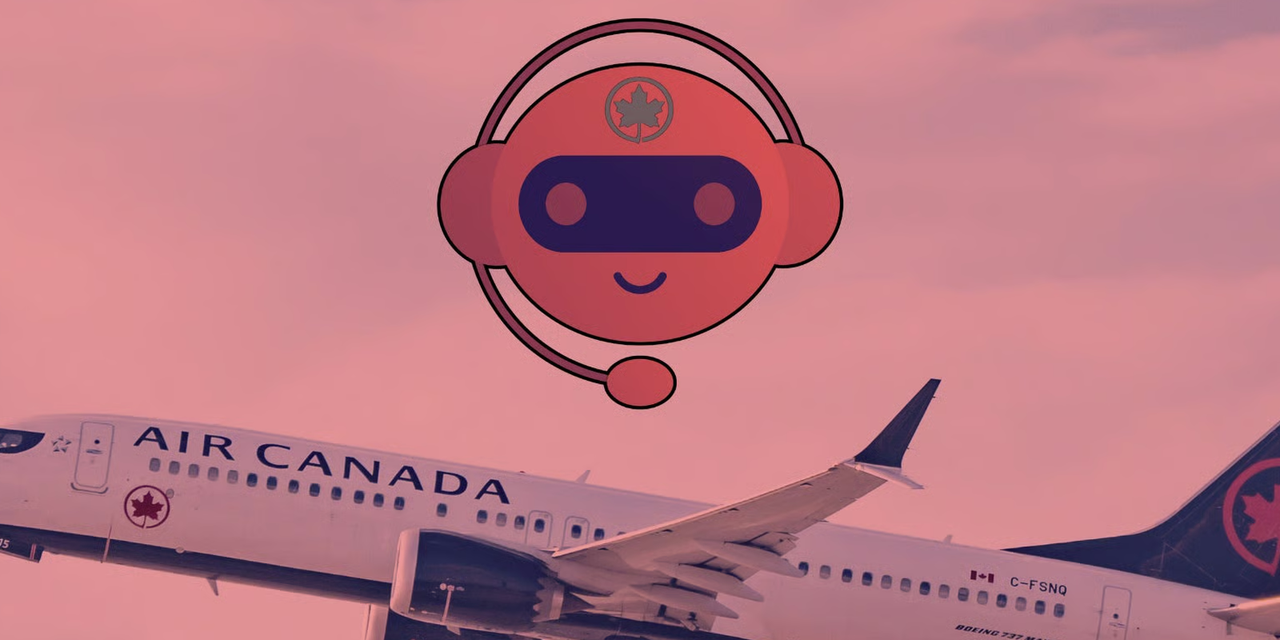
Air Canada Argued Its Chatbot Was a Separate Legal Person. It Lost.
A grieving passenger trusted the bot, saved the screenshot, and turned an $800 refund into the case every chatbot owner should fear.

By Adam Ramirez — 2 min read
The Tort Report
One email a week on the verdicts, the AI, and the money reshaping plaintiff law. Read by 500 leading plaintiff firms.
We could not load the signup form. Email us and we will add you to The Tort Report.
Email usWe have officially entered the era of suing the chatbots, and Air Canada is still the one to beat.
Every airline, bank, and insurer now runs a chatbot instead of a hold line, sold to shareholders as pure efficiency. Fewer agents, faster answers, a rep who never clocks out. Nobody puts the liability question in that pitch: what happens when the bot is confident and simply wrong, the same hallucination risk lawyers get warned about before trusting AI with anything client-facing, and the customer acts on it anyway.
Air Canada is the test case.
Jake Moffatt booked a full-fare round-trip flight from Vancouver to Toronto after his grandmother died in 2022. He'd asked Air Canada's chatbot about bereavement fares, and it told him he could travel now and claim the discount afterward, within ninety days of the ticket being issued. He screenshotted that answer. A human rep later quoted him about 440 Canadian dollars off each flight, without mentioning it couldn't be claimed after the fact. Moffatt booked on the strength of both conversations, then applied for his refund.
Air Canada said no. The bot was wrong, the airline told him, and that is not our policy. Never mind that a rep had already admitted, in writing, that the chatbot's advice was "misleading." Moffatt fought for a year and a half, over roughly 1,630 Canadian dollars, until it reached British Columbia's Civil Resolution Tribunal.
This is where it turns into art.
Air Canada's defense, quoting the ruling, was that the chatbot is "a separate legal entity that is responsible for its own actions." A multibillion-dollar airline stood up and argued that the robot on its own website was a grown adult who doesn't speak for the company.
Tribunal member Christopher Rivers did not buy it. A chatbot, he wrote, "is still just a part of Air Canada's website," and it makes no difference whether the bad information comes from a static page or an interactive one. The airline answers for every word on its own site. They paid.
Somewhere in Vancouver there is a chatbot that got thrown under the bus by its own employer and still logs on every morning.
Stay strong, little guy.
Adam Ramirez, Managing Editor of The Tort Report, previously edited and covered law and business at Bloomberg Law, Forbes, and Thomson Reuters.
Related Stories



The Tort Report
One email a week on the verdicts, the AI, and the money reshaping plaintiff law. Read by 500 leading plaintiff firms.
We could not load the signup form. Email us and we will add you to The Tort Report.
Email us