


The premier publication for plaintiff law
A $20 Million Verdict with Zero Medical Bills
What a case with no expert, no bills, and a packet of Neosporin taught us about how plaintiff’s lawyers undervalue their own cases

By Sharif Gray — 6 min read
The Tort Report
One email a week on the verdicts, the AI, and the money reshaping plaintiff law. Read by 500 leading plaintiff firms.
We could not load the signup form. Email us and we will add you to The Tort Report.
Email usThe entire course of treatment was a single packet of Neosporin. No medical bills. No economic damages or lost wages. No expert witness. The defense’s last offer, made during trial, was $250,000.
The jury came back at $20 million.
Our client was a thirteen-year-old boy named Charlie Clark. The defendant was the psychiatric residential treatment facility entrusted with his care. Most plaintiff’s lawyers would look at those facts and tell you the case was worth maybe $5,000. We told the jury it was worth $38.4 million. After the verdict, jurors told us that several of them wanted to award significantly more and that they had to negotiate down to $20 million.
That gap between $5,000 and $20 million shows how plaintiff’s lawyers are too often their own caps.
The Case Three Firms Turned Down
Charlie was thirteen and a patient at Grafton’s Berryville facility when, on December 21, 2022, a residential manager named Michelle Yates grabbed him, dragged him across a dormitory floor by his clothing, which wrapped around his head and neck, and shoved him alone into a hallway. Surveillance cameras caught it.
Charlie’s family had exhausted every other option. History of physical, emotional, and sexual abuse. Psychiatric hospitalizations dating back to age three. PTSD, anxiety disorder. Grafton knew all of it: his triggers, his diagnoses, his propensity for self-harm. They took the family’s money and promised care. Three law firms turned his father away before he found us. My partner, Gray Broughton, was the first attorney willing to take the case.
Forget Being a Lawyer for a Minute
The turning point came months before trial, during a focus group. The feedback was clear: the conduct was bad enough that jurors didn’t need hard damages to award real money. That told us to stop thinking like personal injury lawyers and start asking ourselves what this case was actually about.
Trust. Institutional betrayal. Accountability.
Our first words to the jury: “Every one of us has taken a loved one to a school, a treatment center, a nursing home, a hospital. We did our research. We spoke with the people there. We shook their hands. And ultimately, we trusted that when we walked away, our loved one would be safe.”
That framing carried the entire trial. The case wasn’t about a kid getting dragged. It was about a family shaking hands with a caretaker who promised safety and broke that promise. Then refused accountability when it went wrong.
When the Defense Helps You Win
Grafton argued Yates had acted outside the scope of her employment. The defense also raised contributory negligence and self-defense against Charlie. Their retained expert called the incident “relatively minuscule”: “a drop of ice” on an “iceberg” of prior trauma.
The jury rejected every affirmative defense. All seven jurors confirmed the verdict on polling.
AI was firepower for us. We used Eve to move through thousands of pages of records quickly — deciphering information, putting together briefing, and building our presentations in a way that would have taken far longer without it. These tools were a force multiplier.
We played Grafton’s own promotional video in opening and used their core values and corporate witnesses against them. My teammate Zac Grubaugh turned the COO’s testimony about their de-escalation program into evidence of institutional failure: trained staff were present during the incident and none of them intervened.
The Footage They Didn’t Want Anyone to See
One of the most powerful elements of the trial was evidence the jury never saw. Through discovery, we established the hallway cameras were operational.
Grafton had that footage but chose not to preserve it.
A Clarke County Sheriff’s investigator watched that footage during the criminal investigation. It showed Charlie screaming, looking for help, trying to strangle himself with his own shirt. He was alone for at least forty-two seconds.
Through Grafton’s own witnesses, we established what the footage showed.
The Psychology of the Ask
Something I learned from Joe Fried a few years ago changed how I practice. The test for what a case is worth isn’t what you find on a listserv. It isn’t the last local verdict or the last settlement. It’s when you close your eyes and imagine this happened to your most vulnerable loved one, and you ask yourself how much money would you accept as a trade?
I have two kids. When I ask myself how much would I accept for my child to be dragged by the neck by a caregiver he trusted, left alone to strangle himself at the very place that was supposed to help him, I wouldn’t take $20 million for that.
Medical bills anchor jurors to small numbers. Stop leading with them.
For Charlie’s case, we asked for $8 million in the focus group. The mock jurors gave it without hesitation. That told us the ask was too low. So we told the jury that the case was worth every penny of the $38.4 million. We said that looking the jury in the eye. We believed every word. And because we believed it, they ultimately did too.
What I’d Tell a Room of Plaintiff’s Lawyers
This case gave me two lessons I’ll carry for the rest of my career.
First, trust yourself and don’t hesitate to break the mold. The judge thanked us after the trial and said we brought new things into his courtroom. We fought for a full day of voir dire. We showed up with four lawyers ready to try the case. For example, on cross, we would turn our backs to the witness and face the jury while asking questions, because we weren’t looking for answers. We were telling the story of our case. If plaintiff’s lawyers can learn to believe in their cases and their clients, truly believe, they can bring juries along with them.
Second, focus group your cases. And I mean something broader than a mock trial. Stop being a lawyer for a minute and figure out why your case matters to regular people. Our case had no bills, no experts, no physical injuries beyond bruising and scrapes. Under a traditional lens, there was nothing. But when we stopped evaluating it like lawyers and started asking what it was really about, we found a $20 million story about broken trust.
Six days after the incident, Charlie was interviewed by investigators. He’d been dragged by the neck and left alone to hurt himself. He said: “I don’t want her fired. This is her only job that she might be able to get. If I get her fired for that, she could go to jail for this.”
Think about that. Then tell me the case was only worth $5,000.
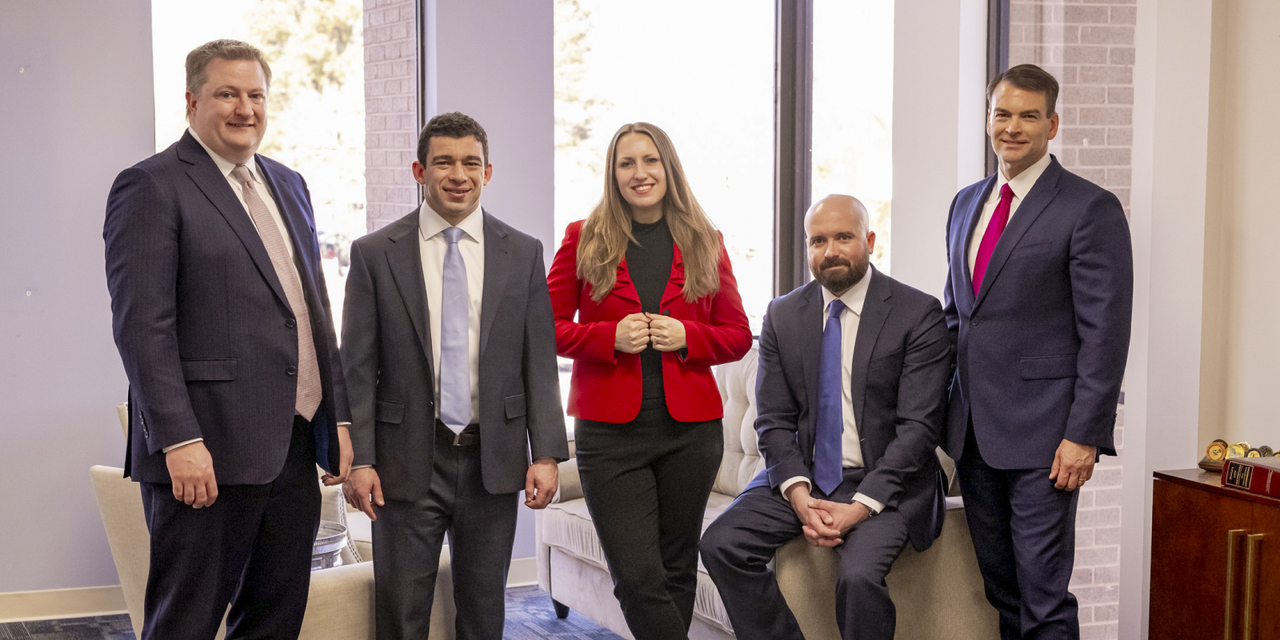
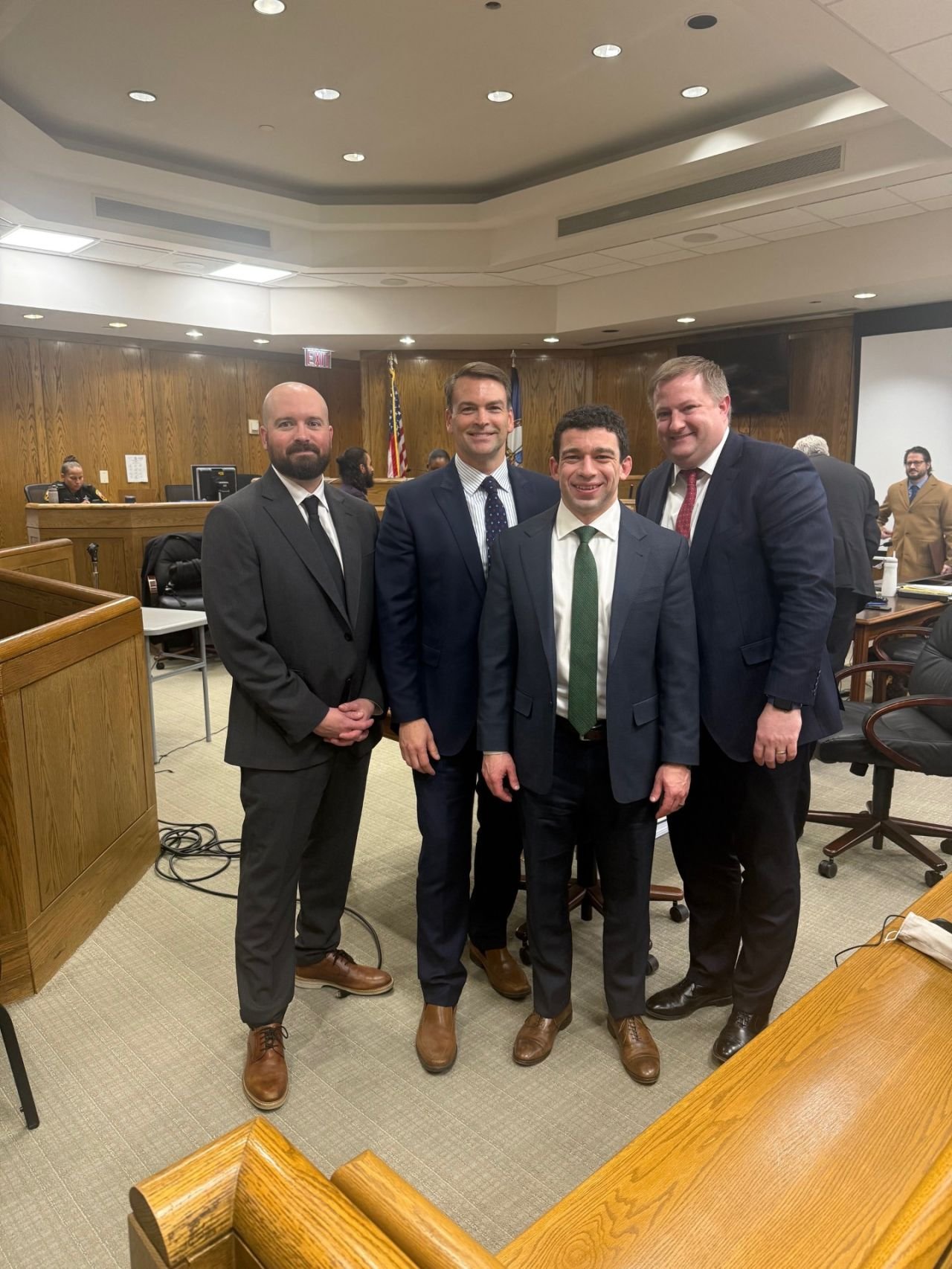
Of course, none of this happens without our exceptional trial team. Zac Grubaugh worked up the case and ran devastating crosses of Grafton’s experts and COO. Nathan Hittle delivered the closing and took Michelle Yates on cross. Gray Broughton handled all negotiations. Our paralegal Lara Bradshaw kept the operation running smoothly.
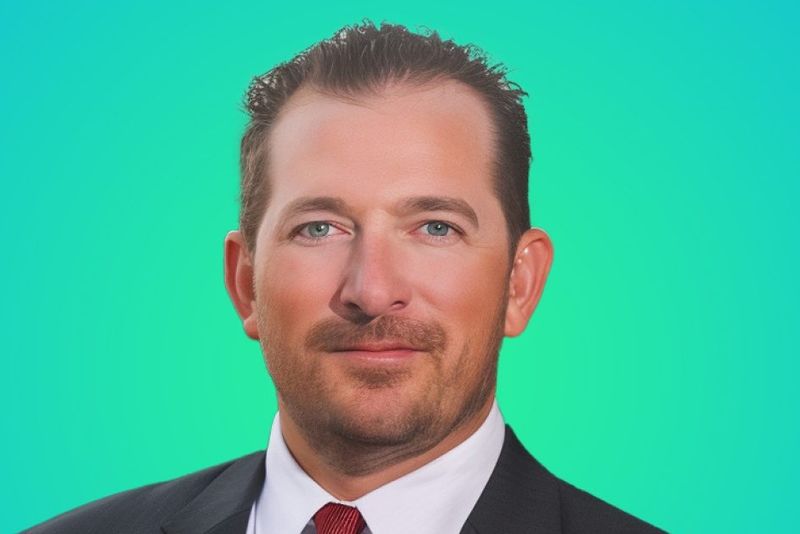
Sharif Gray is a partner and trial lawyer at Gray Broughton PLLC, a Virginia personal injury law firm. A former Army officer and prosecutor, he focuses his practice on plaintiff’s civil litigation with an emphasis on institutional accountability cases.
Related Stories



The Tort Report
One email a week on the verdicts, the AI, and the money reshaping plaintiff law. Read by 500 leading plaintiff firms.
We could not load the signup form. Email us and we will add you to The Tort Report.
Email us